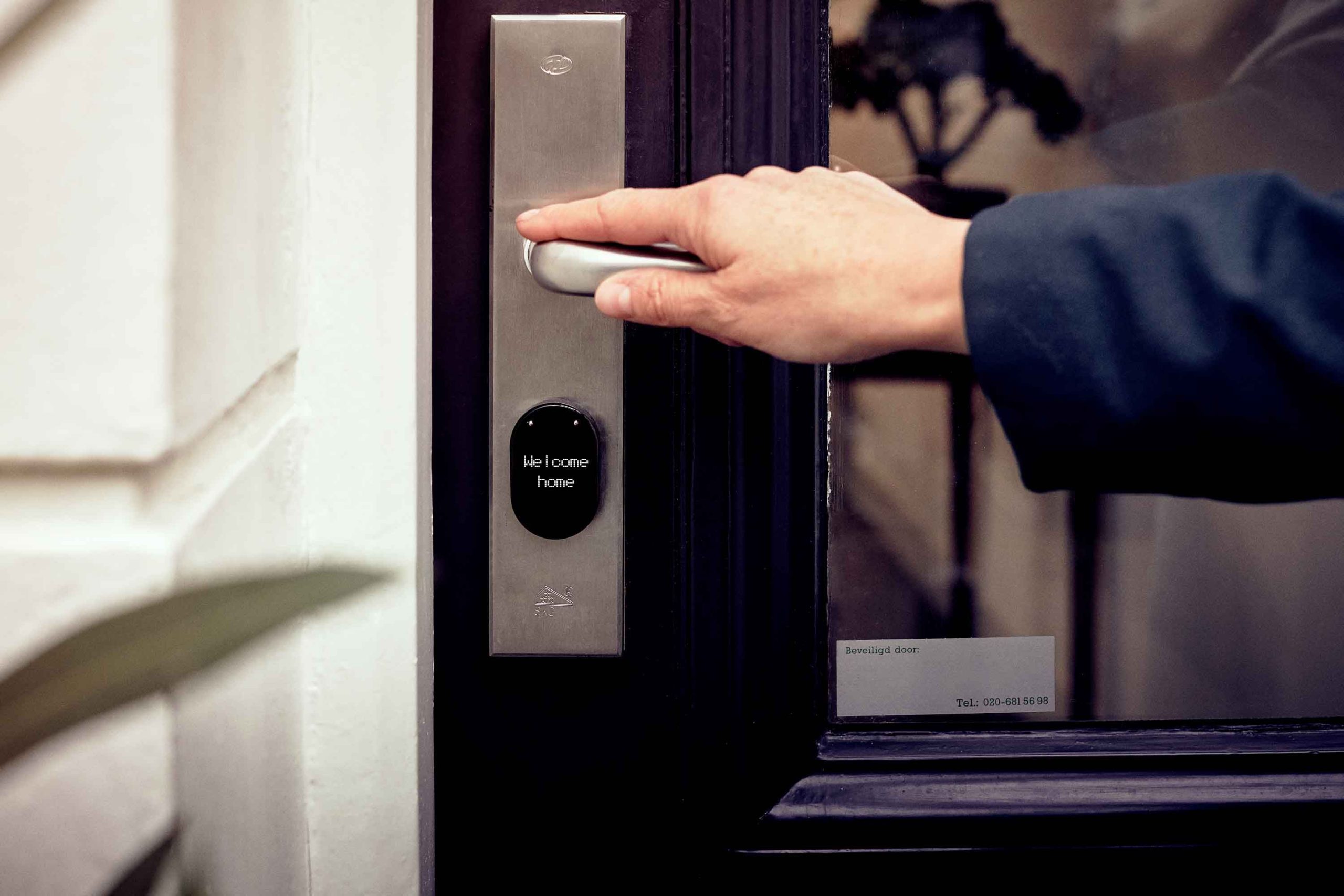
Turning a standard home into a smart home can quickly become overwhelming, especially when you are adding electronic home security features. Between AI-powered outdoor cameras and voice assistants that harness the power of the spoken word, there is so much to learn along the way. The sheer number of options now available to consumers can lead to decision paralysis. Worse yet, you could end up with a bloated system that doesn’t really meet your needs.
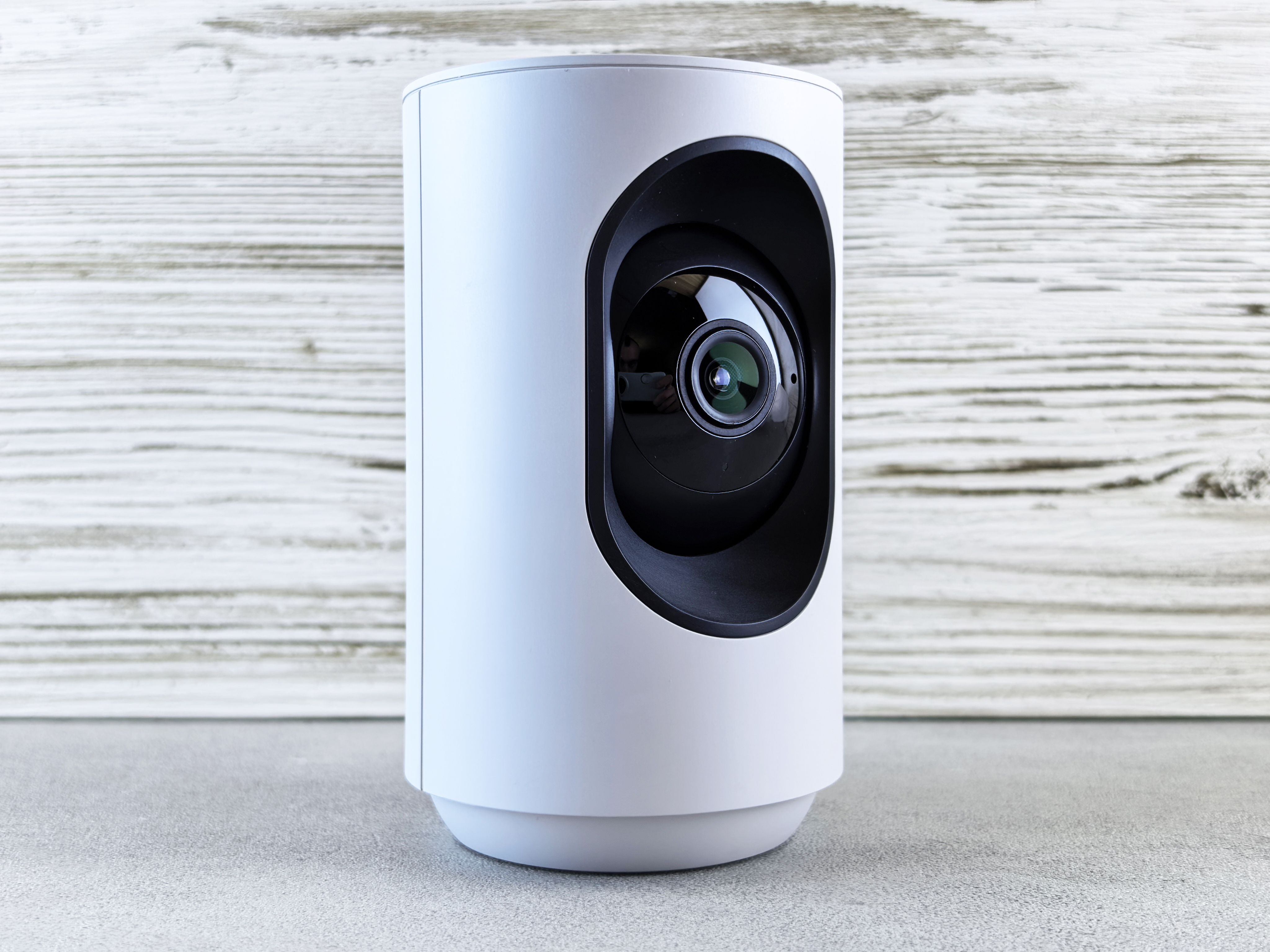
So how do homeowners protect themselves and their families without unnecessarily overcomplicating things? How do they do it without spending too much money? The best approach doesn’t involve buying every gadget you see online. It is starting with a firm foundation and then building on it over time.
4 Reasons to Start With a Foundation
The best way to understand a home security foundation is to think of the physical foundation on which your home rests. When your home was built, the builder did not just slap together some lumber and lay it on a piece of soil. The foundation was laid first. The builder took great care to make sure the foundation was done properly, knowing that the overall build quality would be directly impacted by it. An electronic home security foundation is very similar.
Vivint Home Security offers its HomeProtect package as a foundational system. They recommend starting with a solid foundation for the following four reasons:
1. Avoid Feature Overwhelm
A fully loaded smart home with a complete home security system offers a ton of options in terms of features. For a lot of homeowners new to smart home tech, feature overwhelm is a real thing. There is just too much to take in all at once.
Starting with a basic foundational system prevents one from being overwhelmed. There are fewer features to learn and fewer devices to account for in your smart home routines. You can learn at your own pace. Only when you’re ready is there a need to add more devices to your system.
2. Wisely Manage Initial Costs
Electronic home security systems can be expensive. It’s not hard to drop thousands of dollars on a system with all the bells and whistles. If you want monitoring on top of that, there is a monthly subscription fee. It can quickly add up to more than you intended to spend. On the other hand, investing in a good foundational system will let you keep costs under control early on. You can better align home automation with what your budget truly allows.
3. Identify Genuine Needs
Another big problem with going for a complete system from the start is winding up with devices that don’t really meet your needs. For example, do you really need a floodlight camera on the side of your house? Perhaps you would be better off with a single window sensor and a motion sensor in the nearest room.
As a side note, this sort of thing demonstrates why professional installation is so valuable. Installation techs know how to install devices to maximize coverage. They can also give great advice about which devices you should actually purchase. When you start with a system like HomeProtect, you can get that advice during installation. Then you’ll know how to proceed when it is time to expand your system.
4. Get Seamless Integration
The final reason to start with a foundational system is device integration. With something like HomeProtect, every device works with every other device right out of the box. It’s seamless. Adding additional devices in the future is also a piece of cake. Everything sold by Vivint works seamlessly with its systems. On the other hand, trying to build your own system piecemeal could lead to compatibility issues – both now and in the future.
For connected cameras, the Federal Trade Commission’s camera security guidance also recommends checking encryption, router security, software updates, and strong unique passwords.
What a Good Foundation System Looks Like
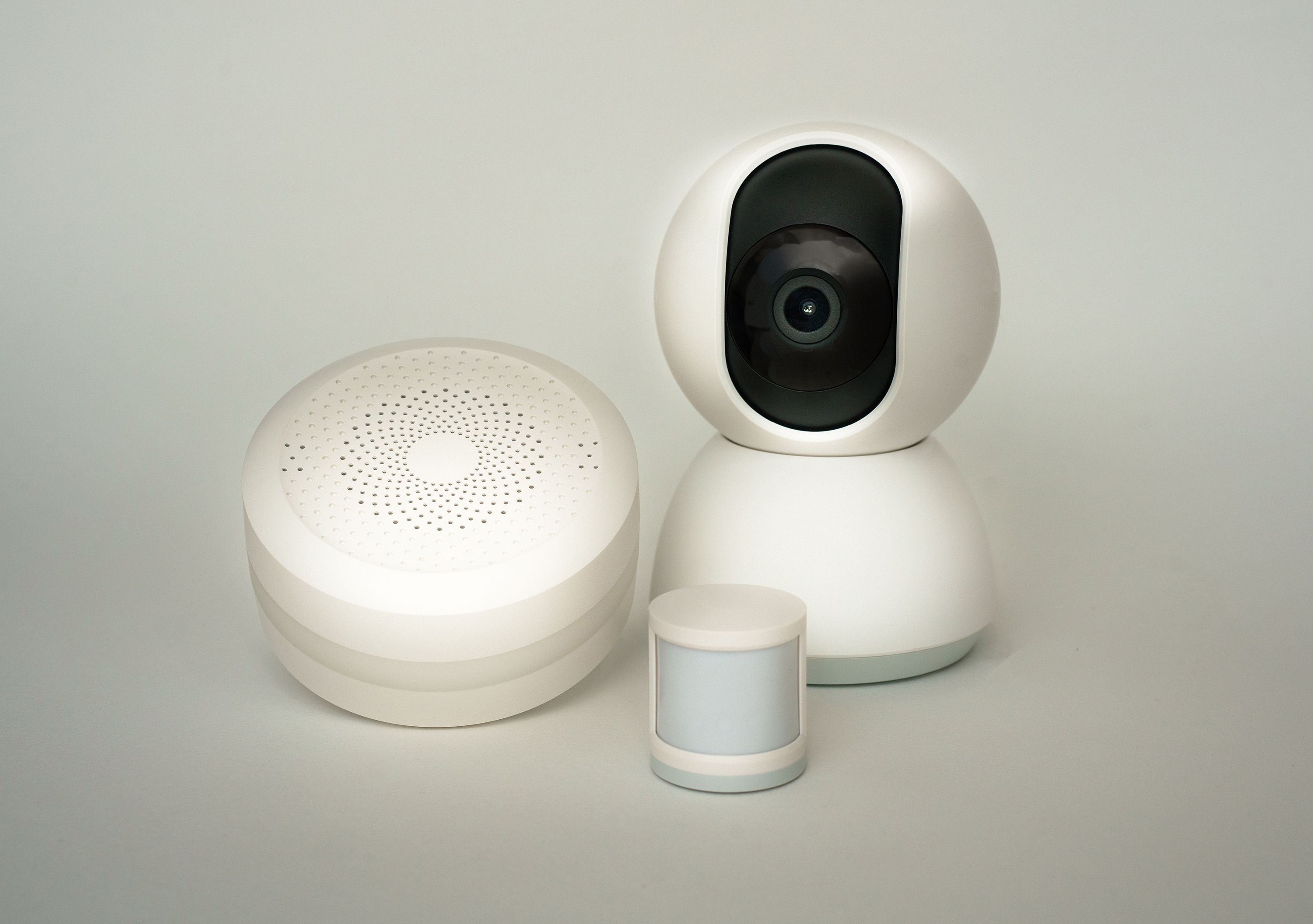
Building a good foundation system requires understanding a little bit about different devices. Remember that the idea is to wind up with a package that will support future scalability and growth. The place to start is protecting the primary entry points to your home. That means first-floor windows and doors.
According to Vivint, a good foundation system includes:
• Hub/Control Panel – A good foundation starts with a central hub or control panel. This is a hardware device separate from your phone and the app on it. A central hub connects everything together.
• Door and Window Sensors – Contact sensors for the front door and your first-floor windows are the most powerful weapon against burglary. They are considered standard equipment in just about every entry-level home security system.
• Motion Sensors – It is a smart idea to invest in at least one motion sensor so that you can get an idea of how it works. Install it in a family room or great room where you have multiple windows. That allows you to skip the contact sensors on at least some of them.
• Front Door Camera – Video coverage of the front door is critical. You can accomplish this with a video doorbell or a standalone camera pointed at the front door.
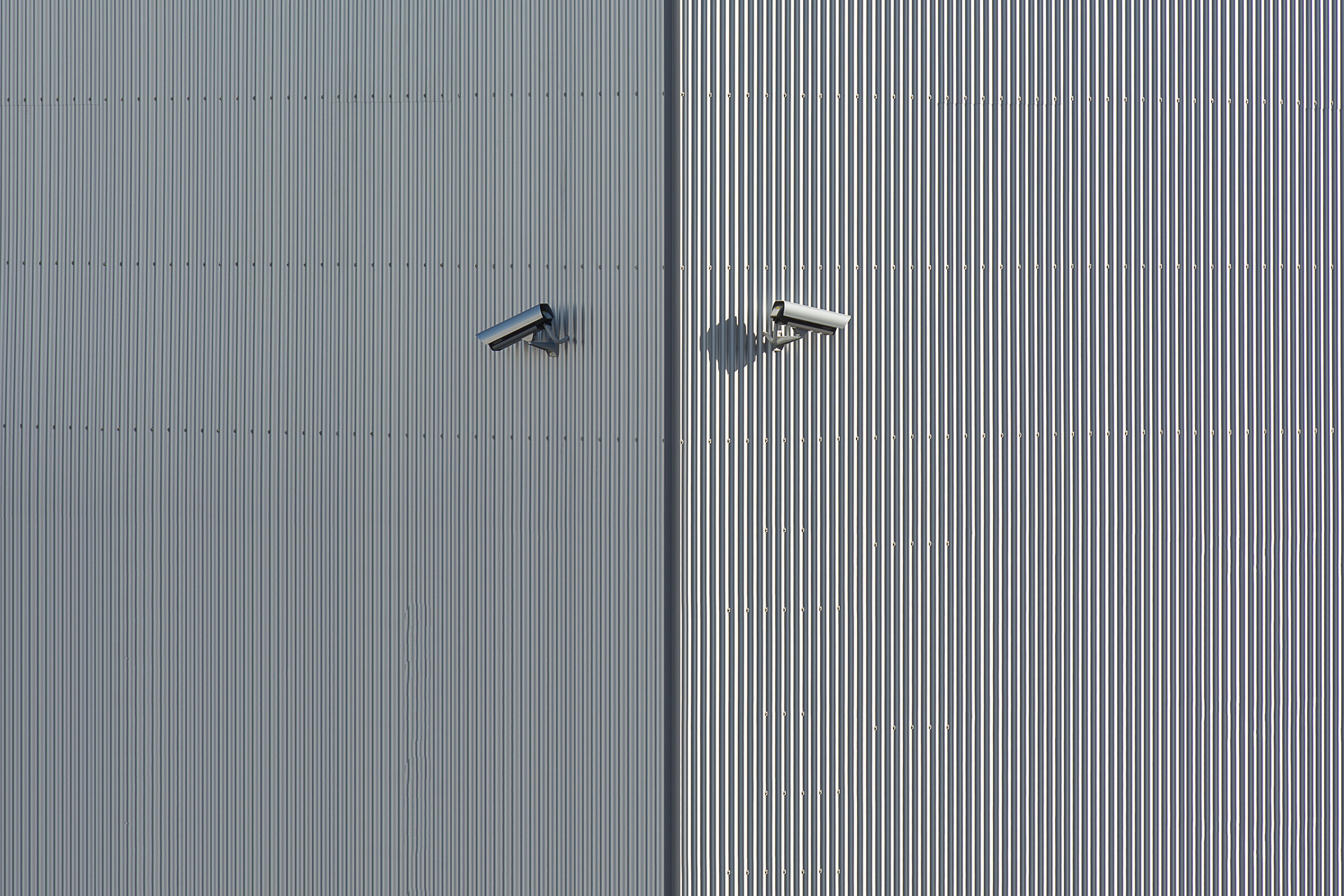
• Professional Monitoring – Professional monitoring is the linchpin that holds everything together. It offers 24/7 coverage provided by trained monitoring professionals who are always ready to spring into action in the event of an emergency.
You can probably get away with just one of each of the basic devices to start with. That will allow you to evaluate each device and its abilities. However, investing in multiple contact sensors will allow you to cover more windows with your foundation package.
When adding internet-connected devices, CISA’s IoT security guidance emphasizes strong passwords, current software, and reviewing security settings as devices and features are added.
Don’t Be Afraid to Look Around
Ideally, you will expand on your foundation system at some point. So don’t be afraid to look around before making a decision. There are many ecosystems and brands to choose from. So research, ask questions, and make your decision wisely.
Starting with a foundation system will allow you to build exactly what you need over a certain amount of time. You’ll wind up with a system that perfectly suits your lifestyle without breaking your budget.