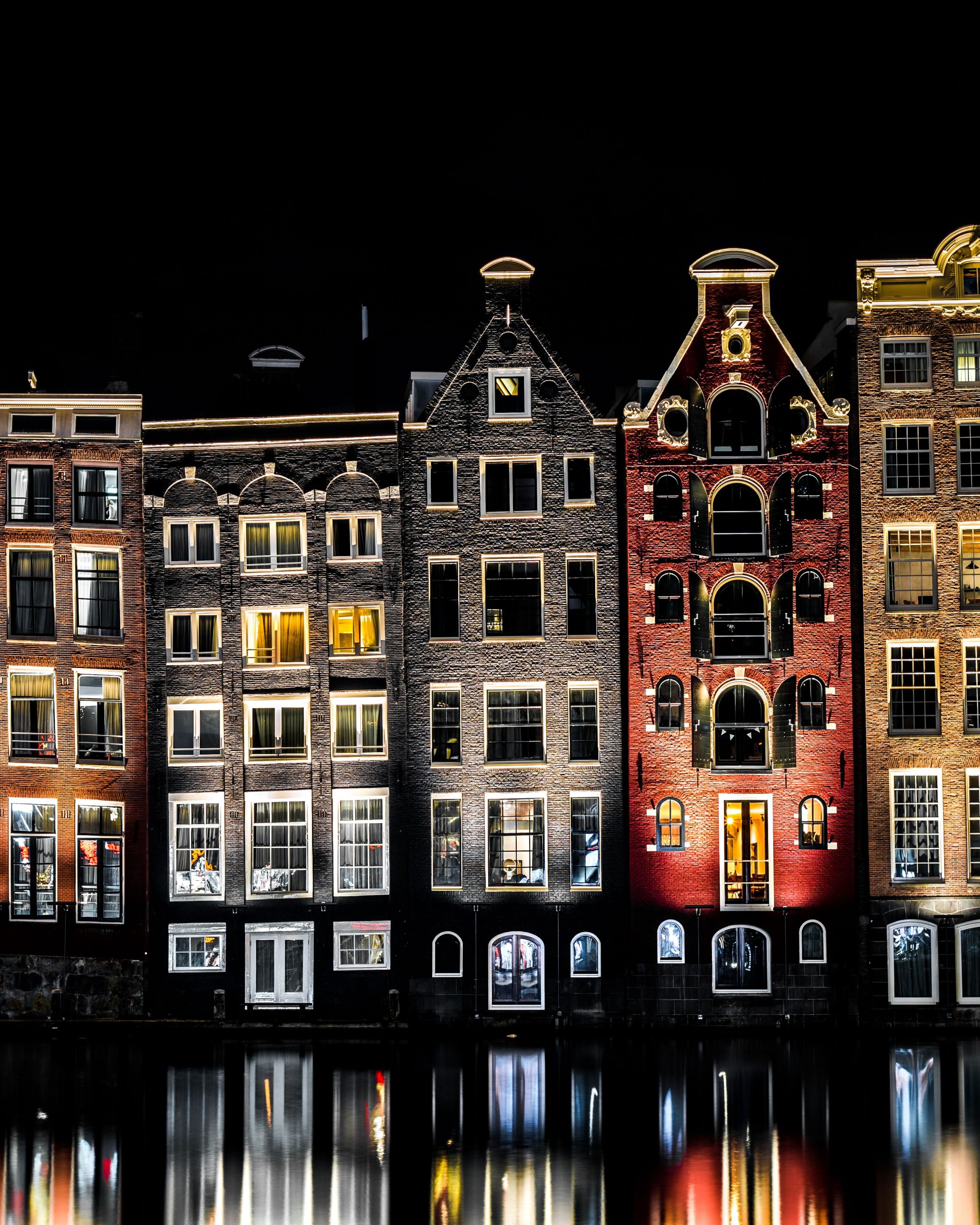
Type “escort capital of Europe” into a search bar and you’ll get at least four different cities claiming the title, sometimes in the same week. Berlin gets it. So does Amsterdam.
Prague picked it up almost overnight in the 1990s, Hamburg has worn a version of it since the Beatles were playing the Reeperbahn before they were famous. None of these cities agreed to the nickname, and none of them can really shake it.
Here’s the part that surprised me once I actually looked at the numbers: the label tracks legal visibility far more closely than it tracks the actual scale of the sex trade.
A city can have a huge, well-documented industry and stay almost invisible in the popular imagination. Another can have a comparatively modest one and become internationally synonymous with it. That gap is the actual story.
The reputation is older than the internet
Berlin’s association with sexual permissiveness didn’t start with flat-rate brothels. It goes back to the Weimar era (1919–1933), when hyperinflation, political upheaval, and a genuinely radical loosening of social norms collided to produce the cabaret culture later mythologised in Cabaret and the Christopher Isherwood stories it was based on.
USA Today traced that lineage back to the same period, noting that the city’s modern erotic trade fairs, like the annual Venus expo, are explicitly selling continuity with that history, not inventing a new one.
Amsterdam’s is older still. De Wallen, the city’s best-known red-light district, has had sex workers operating from its alleys since at least the 15th century, long before anyone thought to regulate or tax the trade.
The neighbourhood’s name literally comes from the old city walls it sits inside. A reputation with five centuries of continuity is not something a mayor cancels with a press release, however much some of them have wanted to.
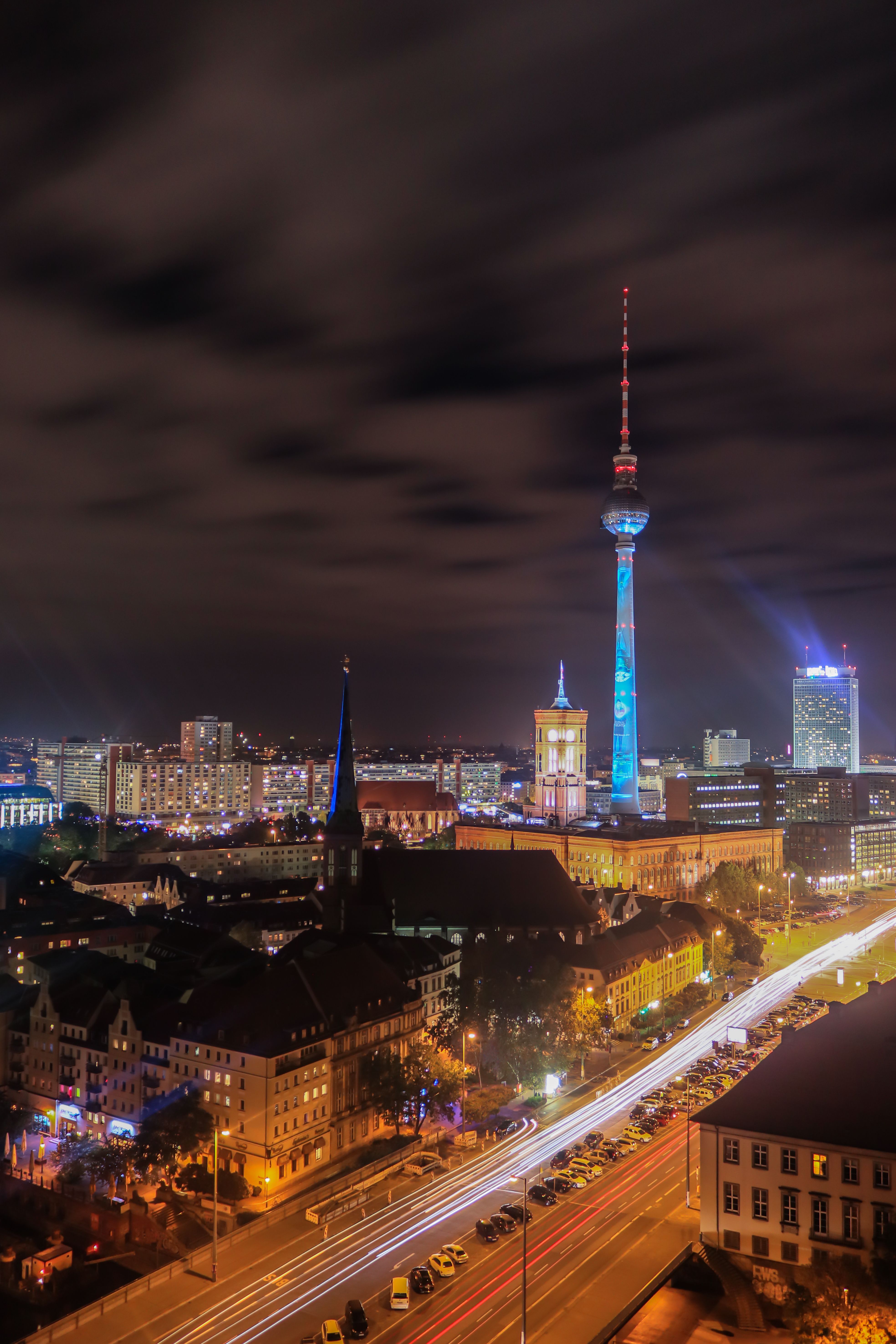
What actually earns a city the title today
Strip away the history and three ingredients show up again and again in the cities that get stuck with the “escort capital” label: a legal framework that makes the trade visible on paper, a specific street or district that becomes internationally photographable, and a wave of cheap travel that delivers a large, motivated customer base in a short window of time. Germany has all three. So, in different combinations, do the Netherlands and the Czech Republic.
Germany’s is the clearest case because it’s also the best documented. The Prostitution Act of 2002 made buying and selling sex, and running a brothel, fully legal, and the 2017 Prostitution Protection Act (ProstSchG) added a registration requirement.
That paperwork is exactly why Germany has a number nobody else in Europe can produce: according to the Federal Statistical Office, about 32,300 sex workers were formally registered at the end of 2024, up 5.3% on the year before but still well below the roughly 40,400 registered before the pandemic. Eighty-three percent of them are not German nationals; Romanian nationals alone account for around 11,500 of the total, more than a third.
Registration numbers only capture people working legally and openly, though. Researchers cited by German broadcaster DW put the real total, including unregistered workers, somewhere between 200,000 and a million, which tells you almost as much about how useless official counts are here as it does about the size of the industry itself.
Same country, wildly different reputations: Berlin versus Munich
This is the detail that convinced me the “capital” label is measuring the wrong thing. Berlin and Munich operate under the same federal German law.
Prostitution is legal in both. Yet Berlin has essentially no Sperrbezirk (the local ban zone every German city is allowed to designate), while almost the entire centre of Munich is one. Under-cover police in Munich have historically posed as clients specifically to enforce it.
The practical effect is that Berlin’s sex trade is street-visible and internationally photographed, and Munich’s is administratively suppressed into near-invisibility in the same neighbourhoods a tourist would actually walk through.
That doesn’t mean demand disappears in Munich, just that it moves indoors, into apartments and outcall arrangements rather than storefronts or street corners – which is exactly the model behind most current listings for escort München services rather than anything resembling Berlin’s more visible scene.
It’s also, worth noting, the exact model city police were still raiding as recently as August 2026, when roughly 90 officers searched ten Munich flats in a trafficking investigation tied to unlicensed prostitution inside the Sperrbezirk. Munich isn’t a smaller version of Berlin’s industry. It’s a differently governed one, and that governance, not the underlying volume, is what decides which city ends up in headlines.
Amsterdam: the district built the reputation, and the district is shrinking
De Wallen is arguably the single most recognisable “escort capital” image in the world: red-lit windows, canals, stag parties photographing women without permission despite signs asking them not to. It’s also, by the numbers, becoming less representative of Dutch sex work every year.
Window prostitution across the entire Netherlands has fallen from roughly 1,500 workspaces fifteen years ago to about 1,000 today, concentrated in fewer than ten cities, according to a 2025 DutchNews report citing local authority figures and research bureau Regioplan.
Utrecht banned window prostitution outright in 2013. Amsterdam itself has spent years trying to relocate workers out of the historic centre into a purpose-built “erotic centre,” partly to loosen the city’s own association with the trade.
Former Amsterdam city councillor and ex-sex worker Karina Schaapman put the tension bluntly: some locals are “really proud of the red light district as a tourist attraction,” she said, but she considers it “a cesspit” with “a lot of serious criminality” underneath the postcard image.
So the city most people picture first when they hear “escort capital” is actively, deliberately shrinking the thing that earned it the name. I don’t think that’s a coincidence so much as proof of how much a reputation like this outlives the conditions that created it.
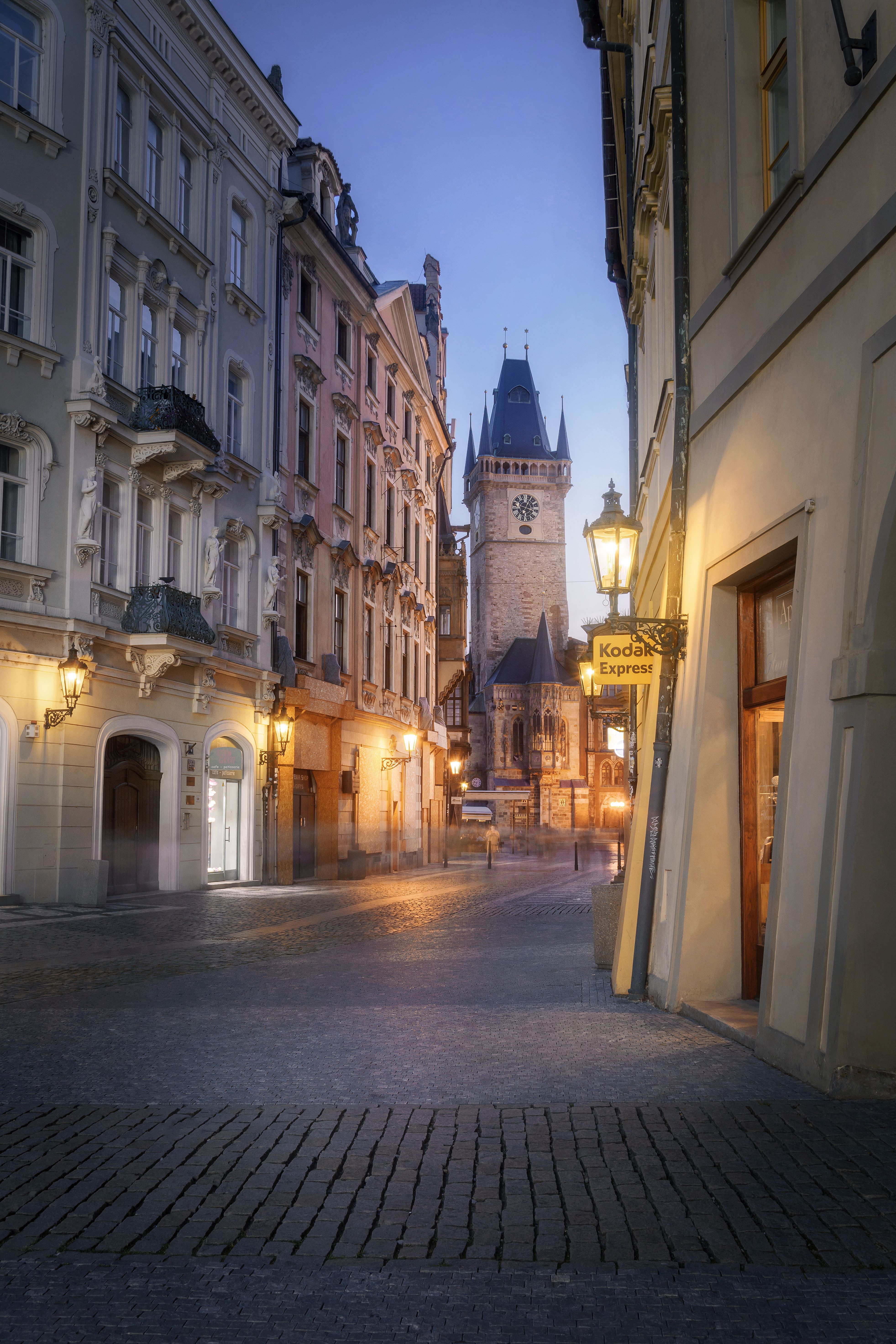
Prague built its version of the reputation in about five years
If Berlin’s and Amsterdam’s reputations took centuries, Prague’s happened almost overnight. After the 1989 Velvet Revolution, the Czech Republic had no functioning regulatory framework for sex work at all – it was neither criminalised nor licensed, a genuine legal gray zone.
Combine that with prices a fraction of neighbouring Germany or Austria, and the arrival of budget airlines a decade later, and you get a documented before-and-after: an estimated 50 stag parties a year visited Prague before cheap flights arrived; by 2004 that had grown to roughly 1,200, according to figures reported by The Telegraph, with organisers estimating around 700,000 of Prague’s roughly 6.9 million annual visitors at the time were coming specifically for sex clubs and cheap beer.
The Times was blunter still, dubbing the city “the Bangkok of Central Europe” as police carried out raids on hundreds of clubs ahead of EU accession.
Tom Kenyon, who moved to Prague in 1996 and co-founded the stag tour operator Prague Piss-Up, defended the trade in purely economic terms at the time, telling The Telegraph his clients were worth roughly £3.57 million a year to the local economy.
Prague’s own tourism authorities took a hands-off stance, betting that stag tourism was small enough not to define the destination.
Twenty years on, it’s the story most people still reach for first when Prague comes up, which suggests that bet didn’t entirely pay off – reputations, once media outlets settle on a comparison this catchy, are very hard to unmake.
A quick comparison of the frameworks doing the actual work
None of these cities’ reputations exist in a legal vacuum. The regulatory model each country runs is arguably a better predictor of who gets called an “escort capital” than any headcount could be.
| Country / city | Legal model | Latest documented scale | Public visibility |
| Germany (Berlin, Hamburg) | Fully legal since 2002; mandatory registration since 2017 | ~32,300 registered nationally, end of 2024 | High in Berlin/Hamburg; near-zero in Munich’s Sperrbezirk |
| Netherlands (Amsterdam) | Regulated legalisation since 2000; licensed brothels/windows | Est. 24,000–31,000 nationally (2024 estimates) | Historically the highest of any European district; actively being reduced |
| Czech Republic (Prague) | Legal gray zone: neither criminalised nor formally licensed | No official registry; historic estimate of 850 brothels nationwide | Spiked sharply post-1989, driven by budget-flight stag tourism |
| Sweden / France (Nordic model) | Buying sex criminalised; selling it is not | Not directly comparable by design | Deliberately suppressed as policy goal |
Figures for Germany from the Federal Statistical Office (published July 2025); Netherlands estimate from CAP International’s 2024 comparative legislative analysis; Czech figures from Prague Post reporting cited by The Times in 2003, the most recent nationwide count I could locate.
The counterargument: maybe the label is doing real harm, not just describing reality
It would be too neat to end there, because plenty of people directly involved in this work think the whole framing is the problem.
Amsterdam-based counsellor Heleen Driessen, who works with sex workers through the De Wallen clinic P&G292, argues the district’s visibility is precisely what makes it safer, not sleazier: workers are surrounded by colleagues, police, and support staff who can intervene if something goes wrong.
Mayor Femke Halsema has taken the opposite view internally, worrying aloud that international fame as “a place of prostitution” is itself a magnet for traffickers, regardless of how well-regulated the visible trade is.
Germany is now having the same argument at national level. In late 2025, CDU politician Julia Klöckner said she was “firmly convinced that we must finally ban prostitution and the purchase of sex,” backed publicly by Health Minister Nina Warken, who wants Germany to adopt the Swedish “Nordic model” that criminalises buyers rather than sellers.
A University of Tübingen study cited by DW found that countries which adopted the Nordic model saw a measurable long-term reduction in trafficking victims.
Sex worker advocacy groups counter that a client ban simply pushes the same activity further out of sight and out of reach of the health and safety infrastructure Germany built after 2002, without reducing the underlying demand at all.
My honest read: both sides are arguing from real evidence, which is rarer than it sounds in this debate. The Tübingen findings on trafficking are worth taking seriously. So is the safety argument from workers who’ve actually operated inside both systems.
Where I land is that the “capital” nickname itself is mostly irrelevant to this fight – Germany could adopt a full sex-purchase ban tomorrow and Berlin would probably keep the reputation for another decade regardless, the same way Prague still gets called the Bangkok of Central Europe more than twenty years after its stag-party peak.
The cities waiting in the wings
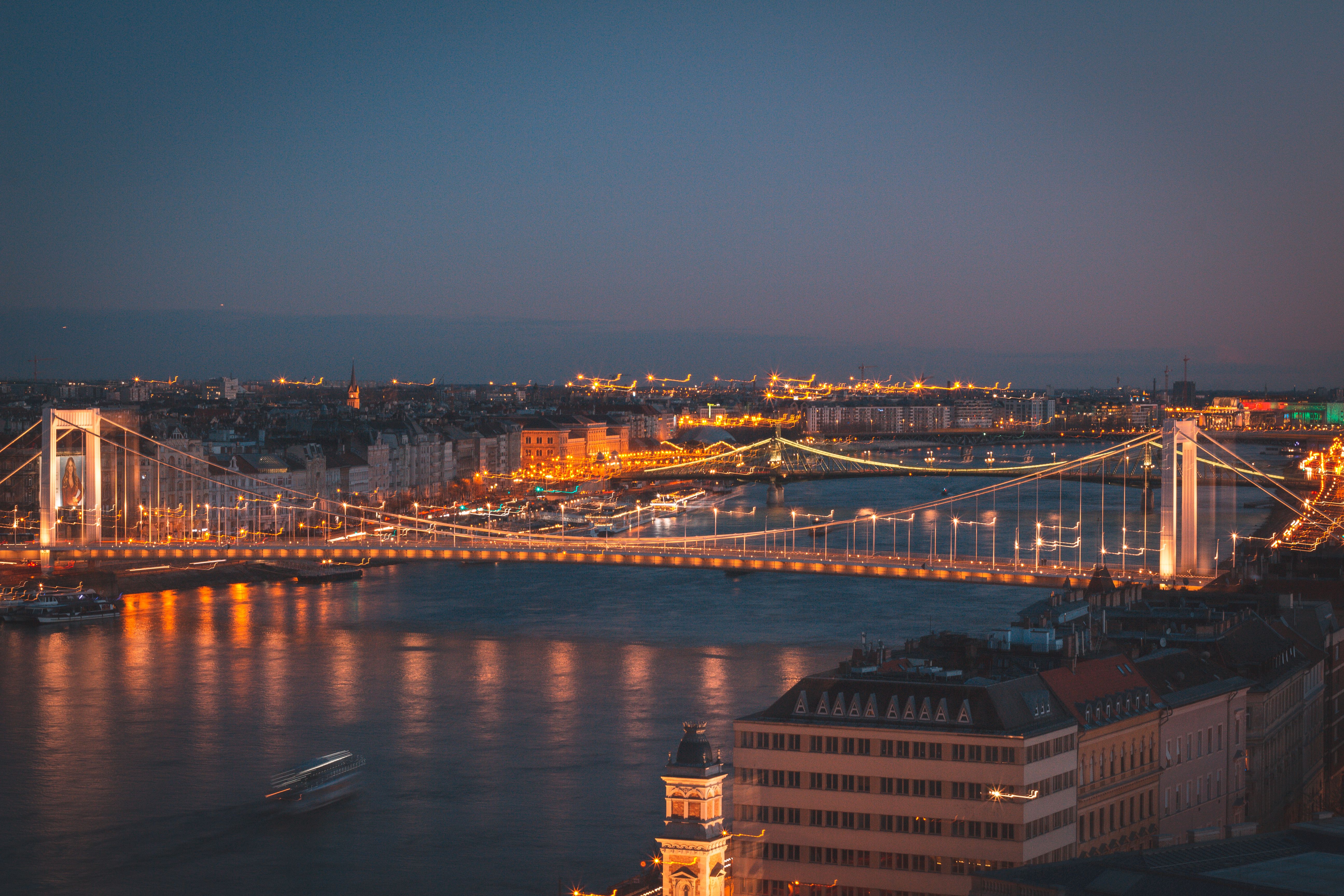
Budapest and Bratislava were already being named as Prague’s likely successors by tour operators back in 2005, according to Radio Prague’s reporting at the time, precisely because they offered the same combination of cheap flights, lower prices, and looser enforcement Prague had a decade earlier.
Neither has fully inherited the title yet, but the mechanism that would hand it to them is identical to the one that built every reputation in this article: cheap access plus visible geography plus a media outlet willing to make the comparison first.
So what does the label actually tell you?
Less than it appears to. It tells you which city’s sex trade is easiest to photograph, which country’s paperwork happens to produce a headline number, and which destination a travel-industry nickname stuck to first.
It tells you almost nothing reliable about actual scale, and it tells you nothing at all about how safe or exploitative the work is for the people doing it – Munich’s near-invisible trade and Berlin’s highly visible one operate under identical federal law, and neither visibility nor invisibility has been shown to make workers meaningfully safer on its own.
If there’s one thing I’d want a reader to take from this, it’s to treat “escort capital of Europe” the way you’d treat any other tourism nickname: catchy, sticky, largely inherited from whichever outlet said it first, and worth roughly as much scrutiny as “world’s most romantic city” gets when a listicle hands it out.
How this article was put together: figures on Germany’s registered sex worker population come from the Federal Statistical Office’s July 2025 release and DW’s November 2025 reporting on the current Nordic-model debate; Dutch figures come from a July 2025 DutchNews report citing local authority data; Czech figures are historic (2003–2005) reporting from The Times, The Telegraph, and Radio Prague, since no comparable nationwide registry exists there.
I could not find a reliable, recent nationwide count for the Czech Republic or a directly comparable metric across all four countries, which is itself part of the argument above: the absence of comparable data is exactly why reputation fills the gap.
Recheck the German figures after the 2026 Destatis release, and watch for any legislative movement on the proposed purchase ban, which was still under political debate at the time of writing.