Electrical substations are critical infrastructure that transforms and distributes power across electrical grids. Modern substation design requires careful coordination of civil, electrical, and structural engineering disciplines to ensure reliable, safe, and efficient operation.
Substations must meet stringent regulatory requirements while accommodating future growth and technological advancement. Understanding the key design considerations helps developers, engineers, and stakeholders navigate complex substation projects successfully.
Site Planning and Civil Infrastructure
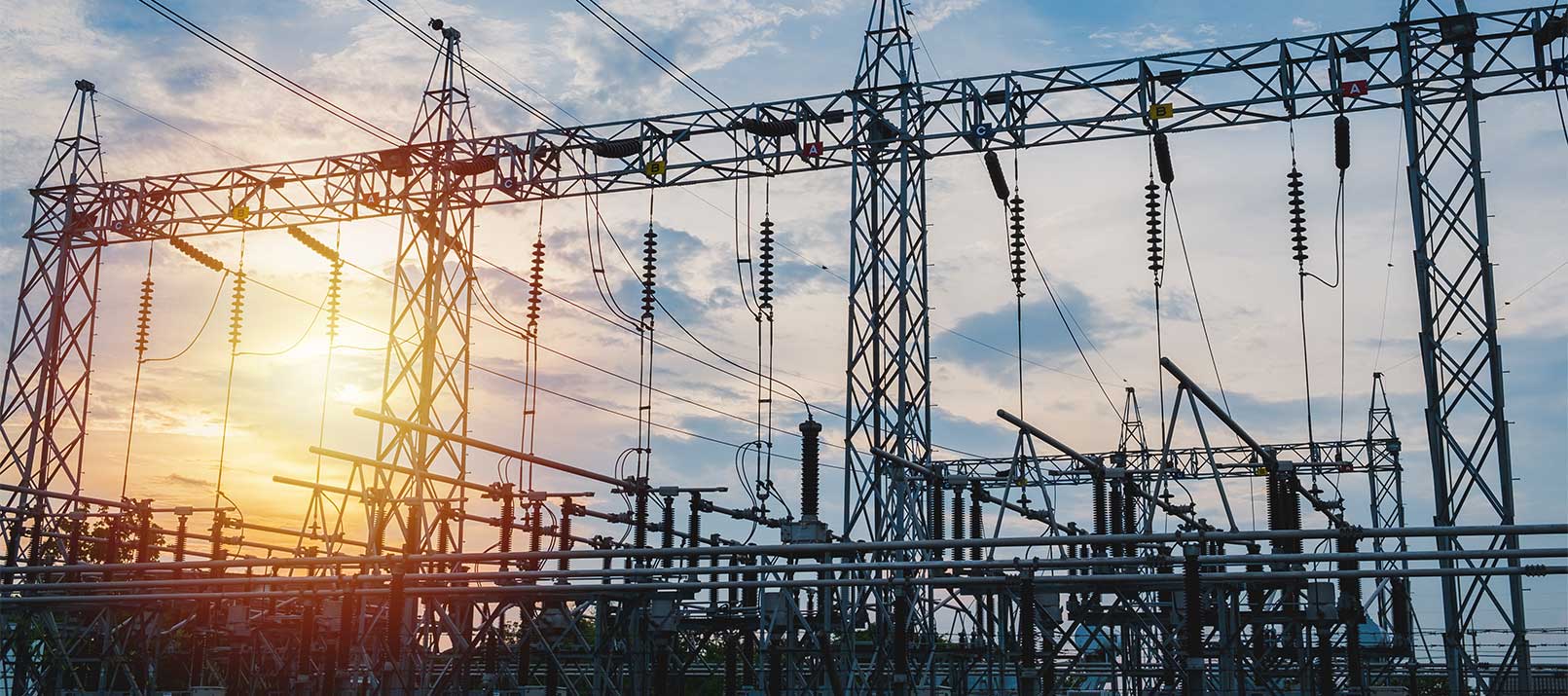
Selecting an appropriate location for a substation involves analyzing geographical, environmental, and accessibility factors. Engineers must evaluate soil conditions, drainage patterns, seismic activity, and proximity to transmission lines to optimize site performance.
If you’d like to discover more about substation civil design and perhaps look into engaging a company to help you with a project, in Australia or Oceania then you’ll be more informed. Civil infrastructure includes foundations, access roads, equipment pads, and drainage systems that support reliable long-term operation.
Land preparation requires grading, compaction, and environmental assessments to minimize ecological impact. Cable trenches and underground ducting systems must be designed to protect conductors while allowing maintenance access.
Fencing, security gates, and buffer zones protect public safety while maintaining operational accessibility for trained personnel. Modern substations incorporate landscaping and screening to integrate with surrounding communities aesthetically.
Electrical Equipment and Power Systems
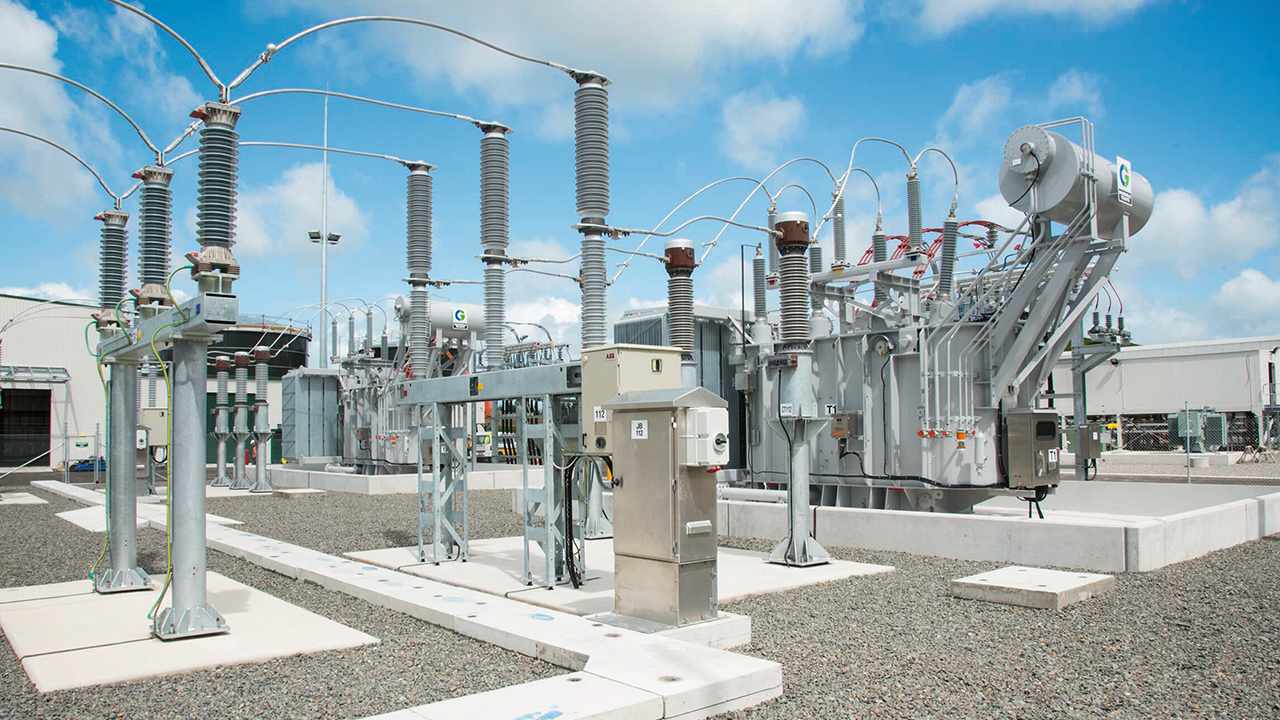
Substation design centers on selecting transformers, switchgear, circuit breakers, and control systems matched to system requirements. Engineers must calculate voltage levels, current capacity, and fault protection to ensure equipment appropriately serves the electrical network.
High voltage transformers convert power between transmission and distribution voltage levels with minimal losses. IEEE Power and Energy Society standards guide equipment selection and performance specifications for reliability and compatibility.
Switchgear provides isolation and protection capabilities, allowing operators to control power flow and respond to electrical faults instantly. Capacitor banks improve power factor and voltage stability across the electrical system.
Control systems and SCADA interfaces enable remote monitoring and automated response to grid conditions. Backup power supplies and uninterruptible systems maintain critical operations during outages.
Safety Systems and Environmental Considerations

Safety is paramount in substation design, requiring multiple protective layers and redundant systems. Grounding systems protect personnel and equipment from dangerous voltage levels and lightning strikes.
Insulation coordination determines proper spacing and material specifications to prevent electrical failures and flashovers. Fire suppression systems, emergency shut-downs, and evacuation procedures protect workers and nearby communities.
Australian energy regulatory guidelines establish environmental protection standards for substation operations. Oil containment systems prevent transformer fluid from contaminating soil and water resources.
Noise abatement measures reduce operational sound levels affecting neighboring properties. Ongoing monitoring, maintenance programs, and regular equipment testing ensure systems operate safely throughout their lifespan.
Conclusion
Designing a modern electrical substation requires integrating civil infrastructure, electrical systems, and safety considerations into a cohesive project. Success depends on thorough site analysis, appropriate equipment selection, and compliance with stringent regulatory standards.
Well-designed substations provide reliable power distribution for decades while protecting personnel, the environment, and community interests. Experienced engineering teams ensure substation projects deliver safe, efficient power infrastructure supporting economic development and grid stability.