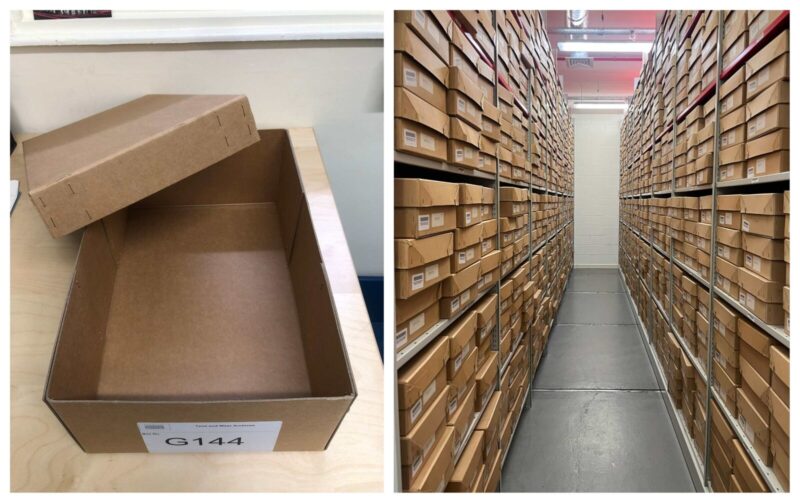
Managing paper archives efficiently requires more than simply stacking documents in storage rooms. Without a structured system, files become difficult to retrieve, misfiled paperwork increases, and valuable time is wasted searching for records. Small file boxes offer a practical and space efficient solution for organizing paper archives while maintaining easy access and order.
Why Small File Boxes Improve Archive Management

Offices and administrative departments often rely on standardized filing boxes for organization because smaller formats are easier to handle, label, and store systematically. Unlike oversized cartons that become heavy and unstable, small file boxes are designed for manageable weight and frequent access.
These boxes are ideal for categorizing records by department, project, or date range. By dividing large volumes of paperwork into smaller, clearly labeled units, businesses reduce the risk of document misplacement. When files are grouped logically and consistently, retrieval becomes faster and more reliable.
Small file boxes also provide better protection for documents. Storing papers upright inside appropriately sized containers prevents bending, folding, or compression damage. Secure lids protect contents from dust and light exposure, preserving document quality over long retention periods.
Design Features That Support Easy Retrieval

The design of small file boxes contributes significantly to their functionality. Most are built from reinforced corrugated cardboard that balances durability with lightweight handling. Integrated handles or cutout grips make it easier to lift and reposition boxes safely.
Standard sizing allows boxes to fit neatly on shelving systems, maximizing vertical storage space. When boxes align properly, storage areas remain tidy and accessible. Clear labeling panels on the front or side enable quick identification without removing multiple containers.
Some small archive boxes are specifically designed to accommodate A4 documents or file folders, ensuring that paperwork remains flat and organized. Consistency in box size and layout supports systematic indexing and reduces confusion during audits or administrative reviews.
Optimizing Office Space And Workflow
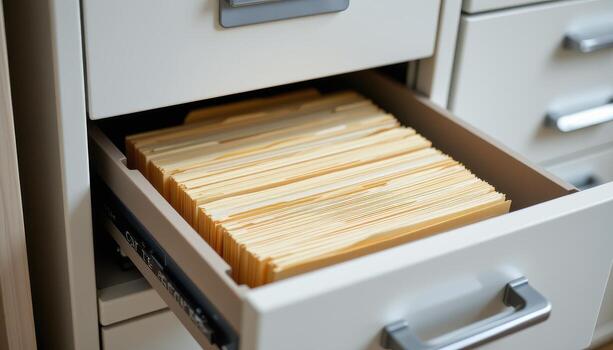
Small file boxes are particularly useful in offices with limited storage areas. Because they are compact, they allow more precise use of shelving units and reduce wasted gaps between containers. This efficient use of space is valuable in administrative rooms, back offices, and shared storage environments.
A well organized archive area improves workflow efficiency. Staff can locate files quickly, reducing interruptions and maintaining productivity. Clearly defined storage zones also support compliance with document retention policies and internal governance requirements.
Regularly reviewing stored documents and rotating older files into long term archive sections prevents unnecessary accumulation. This structured approach keeps active files easily accessible while preserving historical records securely.
Conclusion
Small file boxes provide an efficient, practical solution for organizing paper archives and improving document retrieval. Their manageable size, durable construction, and compatibility with shelving systems make them ideal for structured office storage. By implementing consistent filing boxes for organization and maintaining clear labeling practices, businesses can enhance administrative efficiency, protect important records, and create a more orderly archive environment.