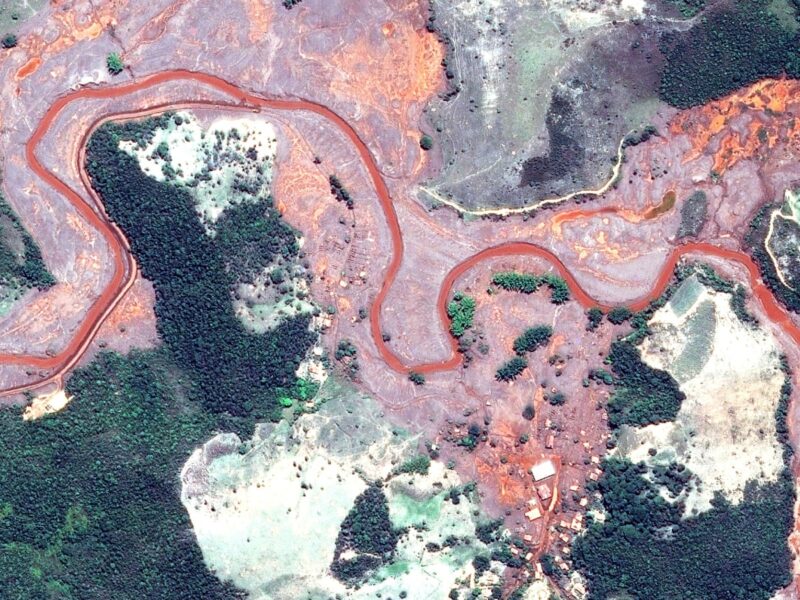
The Samarco dam case continues to attract attention in the UK courts as Pogust Goodhead faces scrutiny over its role in one of the largest environmental group actions ever brought against a multinational company. The dispute is linked to the 2015 Mariana dam collapse in Brazil, which caused severe damage to communities, rivers, farmland, and local economies.
UK Courts And The Legal Dispute

The case has placed major pressure on Pogust Goodhead because of its size, complexity, and international importance. A London barrister involved in similar high value litigation would understand how challenging these claims can be, especially when they include thousands of claimants, cross border evidence, and arguments about corporate accountability.
The lawsuit focuses on compensation claims connected to the collapse of the Fundão dam, operated by Samarco, a joint venture involving BHP and Vale. Claimants argue that the disaster caused long lasting environmental and economic harm, while defendants have continued to contest aspects of liability and compensation.
Pogust Goodhead Under Scrutiny

Pogust Goodhead became widely known for representing Brazilian claimants in the UK proceedings. However, the firm has also faced controversy linked to governance questions, funding pressure, and allegations concerning its former leadership.
These issues have created wider debate about how large claimant law firms should be managed when they handle cases involving billions in potential damages. Strong internal controls are especially important when litigation depends on outside funding and long term legal strategy.
Why The Case Matters
The Samarco dam case is important not only for the affected communities in Brazil but also for the future of international environmental litigation. If claimants succeed, the outcome could influence how courts treat multinational companies connected to overseas industrial disasters.
For Pogust Goodhead, the challenge is to show that controversy around the firm does not distract from the legal claims themselves. Claimants need confidence that their case remains organized, properly funded, and strongly represented.
Wider Legal Fallout

The proceedings have also highlighted the growing role of litigation funding in major group actions. These cases are expensive and can last for years, making financial backing essential. At the same time, funders often demand transparency, governance, and evidence that resources are being used responsibly.
The controversy surrounding Pogust Goodhead may therefore influence how future claimant firms are supervised and financed. It could also encourage stricter expectations around spending, reporting, and leadership accountability.
What Happens Next
As the Samarco dam case continues in the UK courts, attention will remain focused on both the legal arguments and the firm behind the claimants. The outcome may shape future environmental lawsuits, corporate responsibility standards, and confidence in large scale group litigation.