A field can look fine at sunrise and be in serious trouble by lunch. Not a figure of speech. An unexpected temperature swing, a dry spell that shows up three days ahead of the forecast, a burst of overnight humidity that shifts pest pressure; conditions on a farm refuse to sit still. What’s changed is that growers finally have ways to keep pace.
Gut Feeling Had a Good Run
For generations, farmers walked their rows. Checked the sky. Felt the soil. The experienced ones could read a field like a mechanic reads engine noise. Nobody’s saying that instinct doesn’t count anymore. But think about what modern scale looks like.
A grower managing 2,000 acres can’t walk every row before breakfast. Driving all of it takes hours. And by the time a problem shows up visually, the damage underneath has been quietly building for days. Maybe longer. Catching something four or five days sooner than you normally would? That gap is often the whole difference between a strong yield and a disappointing one.
Regional Forecasts Miss the Details That Matter
Every grower watches the weather. But a county-level forecast paints with a broad brush. It can’t tell you that your south-facing slope is running several degrees warmer than the low ground by the creek bed. Those two spots might sit a quarter-mile apart on the same property. Microclimates are real. They shift irrigation timing, spray schedules, and frost risk.
Growers who have placed sensors directly in their fields keep finding gaps between what the forecast predicted and what actually showed up at ground level. Sometimes the difference is minor. Other times it’s enough to change a call about whether to irrigate or hold off. That kind of field-specific detail used to exist only on university research plots. Not anymore.
What the Soil Knows but Can’t Say Out Loud
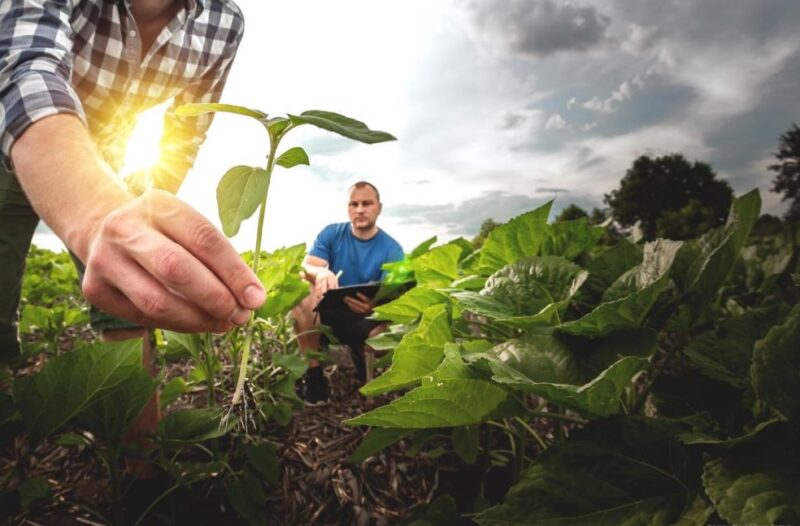
If you could pick one data point to have in real time, soil moisture would probably be it. Too dry and the crop stresses. Too wet and you’re courting root disease, nutrient loss, and runoff problems. Temperature, growth stage, soil composition, and last week’s rainfall all influence the optimal conditions. It moves constantly.
The old approach was a probe, a reading, and a judgment call. Check three or four spots in a big field, maybe once a week when planting or harvest isn’t eating up every available hour.
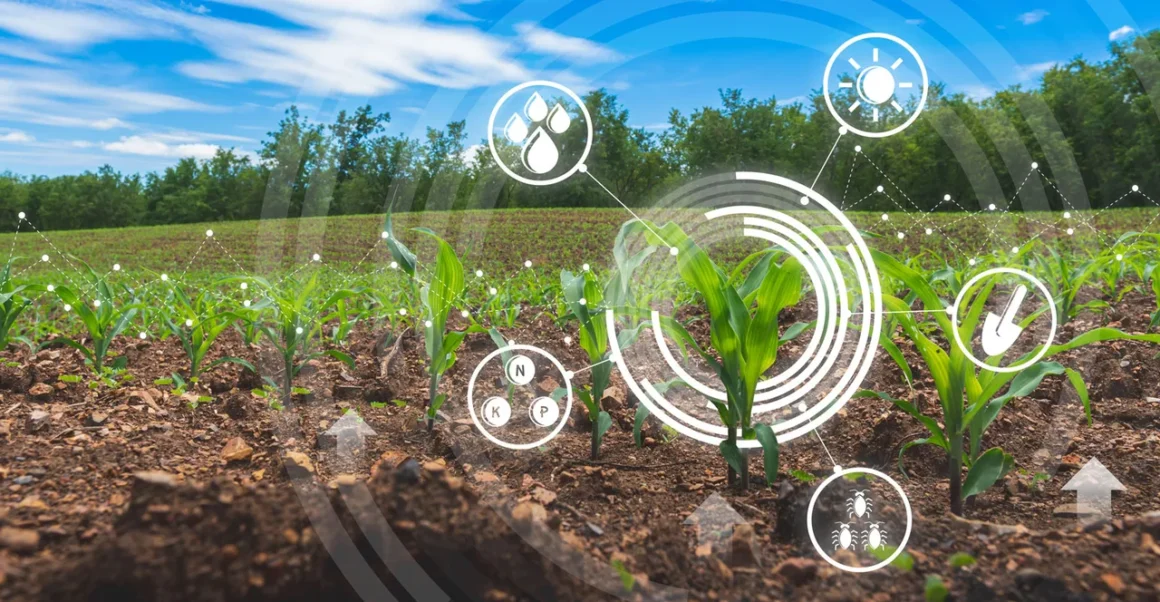
Now sensors stay in the ground around the clock. They report moisture at several depths every few hours. Over morning coffee, a grower pulls up a phone. He sees exactly which zones need water and which ones are fine, before any plant looks stressed enough to notice with the naked eye. Irrigation becomes proactive, not reactive. Water savings are significant in drought-prone areas.
Add temperature and humidity monitoring. Toss in leaf wetness sensors. Extended hours of moisture on the canopy? Fungal pressure is climbing. Better to spray before the disease gets a foothold than to treat it after the damage is done.
Getting Data Off a Field Is Harder Than It Sounds
Here’s what trips people up. Farm fields aren’t office buildings. No ethernet. No Wi-Fi access points on every post. Productive farmland often lacks reliable cell service. Getting sensor data from a cornfield to a usable screen has been difficult. Many growers found their monitoring hardware investments futile because of connectivity problems.
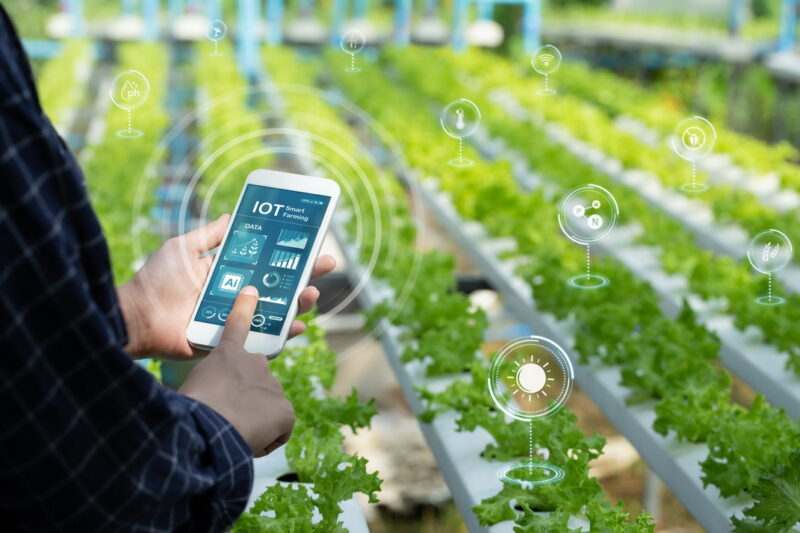
Cellular-based systems have helped a lot. They skip local network infrastructure entirely. A sensor station out in the field pushes its readings over cellular to the cloud, and the grower pulls them up from wherever. The growing adoption of IoT for crop monitoring says something about how much appetite exists for this kind of on-the-ground intelligence. Blues IoT has proven especially capable of cracking the connectivity problem. They build hardware that keeps transmitting reliably even in the rural, low-coverage areas where most farming actually happens.
Faster Data Means Faster Decisions
The sensors aren’t the point. Speed is the point. A grower who sees on Tuesday morning that one section of a field is drying out faster than expected can bump irrigation before anything suffers. Someone who catches an overnight temperature inversion can get ahead of frost damage instead of surveying it after the fact. Soil moisture climbing unevenly after a rain? Skip the irrigation pass. Save water, save diesel, save money.
Each of those calls is small on its own. Across a full season, they stack up. A few extra bushels per acre here. One fewer chemical application there. An irrigation cycle you didn’t run because the data told you not to bother. Come harvest, the gap between a data-informed operation and one running on guesswork shows up in real numbers.
This Isn’t Only for Giant Operations
People tend to assume sensor-based monitoring is a corporate farm thing. Big acreage, big budgets, big data teams. That was probably fair five or six years ago. Not now.
Costs have come down fast. A grower running a few hundred acres can outfit key zones, get connected, and start pulling useful information within a single growing season. The learning curve is flatter than most people expect. Dashboards show straightforward information. Things like moisture dropping, temperature spiking past a set point, or humidity parked in a risky range. Reading the screen and deciding what to do next doesn’t require a degree in agronomy.
Conclusion
Weather patterns are getting harder to predict. Growing seasons keep shifting. Water access is tightening across major agricultural regions, and nobody expects that trend to reverse. Growers who can respond to what’s actually going on in their soil and canopy, hour by hour, section by section, hold a genuine edge over those still depending on a weekly drive-through and a regional forecast pulled from a weather app.
The information was always sitting out there in the dirt and the air. Farmers just couldn’t grab it fast enough to act on it. That part has changed. And the ones who noticed are already farming a different way because of it.